Sleep Apnea Treatment Isn’t for Everyone: Is It Right for You?
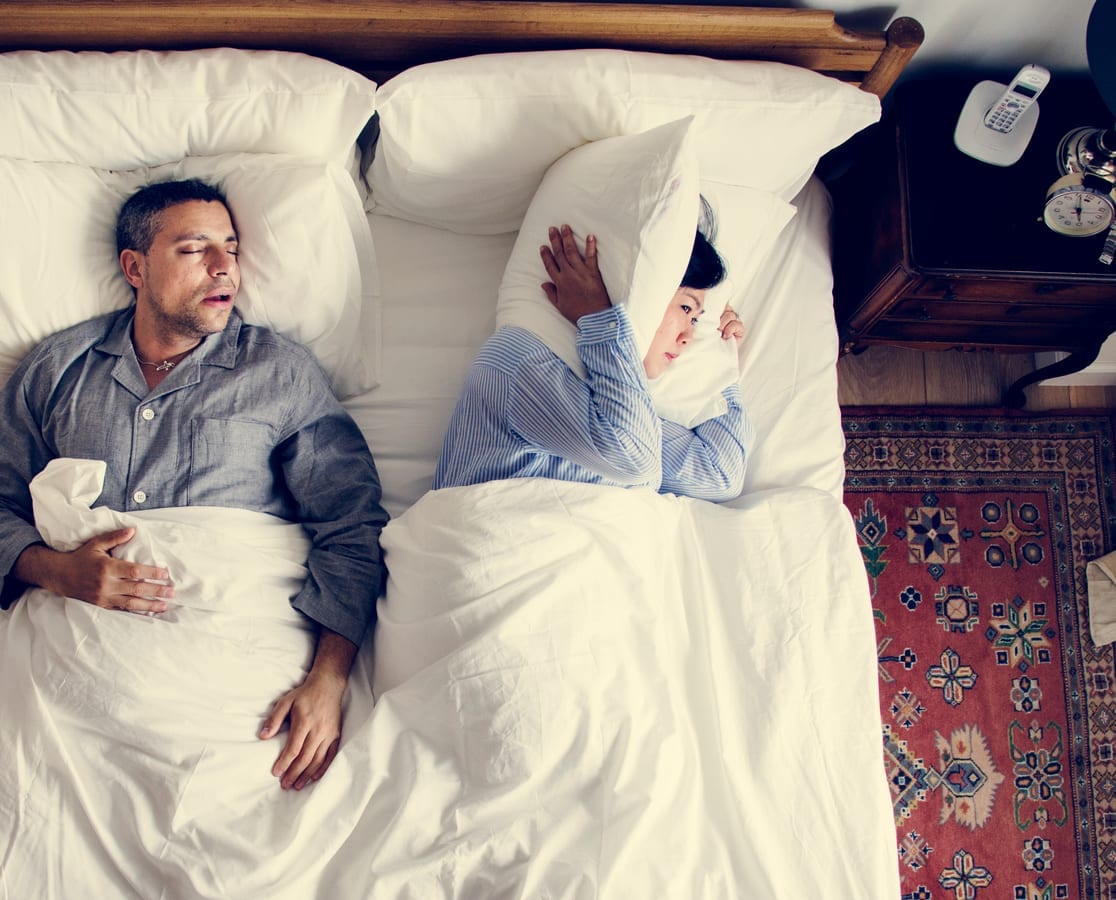
Sleep apnea treatment isn’t for everyone — and knowing whether it’s right for you is the first step toward real relief. Many Chandler residents struggle with poor sleep, loud snoring, or morning fatigue without realizing a treatable condition is the cause. At Exceptional Dentistry of Chandler, Dr. Eric Hwang helps patients understand exactly what sleep apnea treatment involves and whether they are good candidates. This article explains who qualifies, how evaluations work, and what factors shape the best approach for each patient.
Understanding Sleep Apnea and Why Candidacy Matters in Chandler
Sleep apnea is a condition where breathing repeatedly stops during sleep. The most common form, obstructive sleep apnea, occurs when throat muscles relax and block the airway. Not every snorer has sleep apnea — and not every sleep apnea patient needs the same treatment.
That is why candidacy matters so much. Choosing the wrong treatment wastes time and can leave symptoms unresolved. A proper evaluation ensures you receive care that matches your specific condition and lifestyle. Residents across Chandler deserve targeted solutions, not one-size-fits-all approaches.
Dentists play a key role in sleep apnea care. Oral appliance therapy — a common dental solution — works well for certain patients but is not appropriate for everyone. Understanding your candidacy helps you and your provider make the right call together.
Who Is a Good Candidate for Dental Sleep Apnea Treatment?
Dental sleep apnea treatment is not suitable for every patient. It works best for individuals with mild to moderate obstructive sleep apnea. Patients with severe cases often need additional medical intervention beyond what a dental appliance can provide.
You may be a strong candidate if you meet several criteria. Consider whether the following apply to your situation:
- You have been diagnosed with mild or moderate obstructive sleep apnea
- You cannot tolerate or consistently use a CPAP machine
- You snore loudly and wake up feeling unrefreshed
- You experience daytime fatigue or difficulty concentrating
- You have no significant nasal obstruction requiring separate treatment
- You are an adult with fully developed jaw and airway structures
Children and teens may also experience sleep-disordered breathing. However, their treatment options differ significantly from adult approaches. Dr. Hwang evaluates each patient individually to determine the most appropriate path forward.
What the Evaluation Process Looks Like at Exceptional Dentistry of Chandler
A thorough evaluation is essential before recommending any sleep apnea treatment. Rushing into treatment without proper assessment can lead to poor outcomes. The process typically involves several important steps.
First, Dr. Hwang will review your full medical and sleep history. He will ask about your symptoms, sleep patterns, and any previous diagnoses. This conversation helps establish a baseline understanding of your condition.
Next, a clinical examination of your airway, jaw, and oral structures takes place. This helps identify any anatomical factors contributing to airway obstruction. In many cases, patients are also referred for a sleep study to confirm the diagnosis and measure severity.
The evaluation process generally includes:
- Comprehensive health and symptom history review
- Clinical oral and airway examination
- Sleep study referral or review of existing sleep study results
- Discussion of treatment goals and patient preferences
- Custom treatment planning based on all findings
This structured approach ensures that your treatment plan is evidence-based and personalized. Chandler patients should expect a collaborative conversation, not a rushed prescription.
Factors That Determine the Best Treatment Approach
Several key factors influence which sleep apnea treatment is most appropriate for you. No single factor determines the outcome — your provider weighs all of them together. Understanding these factors helps you participate meaningfully in your own care decisions.
Severity of sleep apnea is one of the most important variables. Mild cases often respond well to oral appliance therapy alone. Severe cases may require CPAP therapy or even surgical evaluation by a specialist.
Anatomy of your jaw and airway also plays a critical role. Some patients have structural features that make oral appliances especially effective. Others may have jaw joint issues that limit which appliances are safe to use.
Lifestyle and compliance factors matter too. Oral appliances tend to be more portable and comfortable than CPAP machines. Patients who travel frequently or struggle with CPAP often find dental devices more manageable long term.
Overall health status is another consideration. Certain cardiovascular or neurological conditions may influence which treatments are safe and appropriate. Dr. Hwang works alongside your physician when necessary to ensure coordinated care.
How Sleep Apnea Care Connects to Your Overall Dental Health
Sleep apnea treatment does not exist in isolation from your broader dental care. Oral health and sleep health are deeply connected. Patients who grind their teeth at night — a condition called bruxism — often have undiagnosed sleep apnea as a contributing factor.
Addressing sleep apnea can sometimes improve other dental concerns as well. Better sleep reduces stress-related grinding and clenching. This protects your teeth, jaw joints, and existing dental restorations over time.
Many patients also discover that resolving sleep apnea supports their confidence in their smile and appearance. For those interested in smile enhancements alongside health care, Cosmetic Dentistry Lp Chandler services offer a natural complement to comprehensive dental wellness. Similarly, patients exploring full smile transformations can learn about Cosmetic Dentistry Chandler options available at our practice.
Good dental health supports airway health. Regular dental visits allow Dr. Hwang to monitor signs of sleep-disordered breathing over time. Early identification leads to earlier and more effective intervention.
Taking the Next Step Toward Better Sleep in Chandler
If you have been wondering whether sleep apnea treatment is right for you, the answer starts with an honest evaluation. Self-diagnosing is not reliable — and waiting too long can allow the condition to worsen. Untreated sleep apnea is linked to serious health risks including heart disease, high blood pressure, and cognitive decline.
Dr. Eric Hwang and the team at Exceptional Dentistry of Chandler are here to guide you through the process with care and expertise. You deserve clear answers, not confusing medical jargon. Our goal is always to help you make informed decisions about your health.
Sleep apnea treatment isn’t for everyone — but it may be exactly right for you. The only way to know for certain is to take that first step and schedule your evaluation. Book Now to schedule your appointment with our team.
Frequently Asked Questions
How do I know if I have sleep apnea?
Common signs include loud snoring, waking up gasping for air, morning headaches, and persistent daytime fatigue. However, a formal diagnosis requires a sleep study conducted or reviewed by a qualified provider. Dr. Hwang can help coordinate your evaluation if you are experiencing these symptoms.
Is a CPAP machine always required for sleep apnea?
No, CPAP is not always required. Patients with mild to moderate obstructive sleep apnea often do well with a custom oral appliance provided by a dentist. Your specific diagnosis and lifestyle will help determine whether CPAP, a dental device, or a combination approach is most appropriate.
Can a dentist treat sleep apnea?
Yes, dentists trained in dental sleep medicine can provide oral appliance therapy for qualifying patients. This involves a custom-fitted device worn during sleep to keep the airway open. Dr. Hwang at Exceptional Dentistry of Chandler evaluates patients and creates personalized appliances when appropriate.
What happens during a sleep apnea consultation at your Chandler office?
Your consultation includes a detailed review of your symptoms and health history, a clinical examination of your airway and oral structures, and a discussion of your treatment goals. If a sleep study has not been completed, Dr. Hwang will coordinate an appropriate referral to confirm your diagnosis before recommending treatment.
Is sleep apnea treatment a permanent solution?
Sleep apnea treatment can provide long-term symptom relief, but it typically requires ongoing management. Oral appliances may need periodic adjustments as your anatomy changes. Regular follow-up appointments help ensure your treatment continues to work effectively over time.
Recent Posts

Your Dental Crown’s Lifespan: What Really Determines It
Your Dentures Are Dying: 5 Daily Mistakes You’re Making
Your Dental Bridge Appointment: Inside Each Step of the Procedure
Sleep Apnea Treatment Isn’t for Everyone: Is It Right for You?