

How Wisdom Teeth Removal Can Impact Your Oral Health?
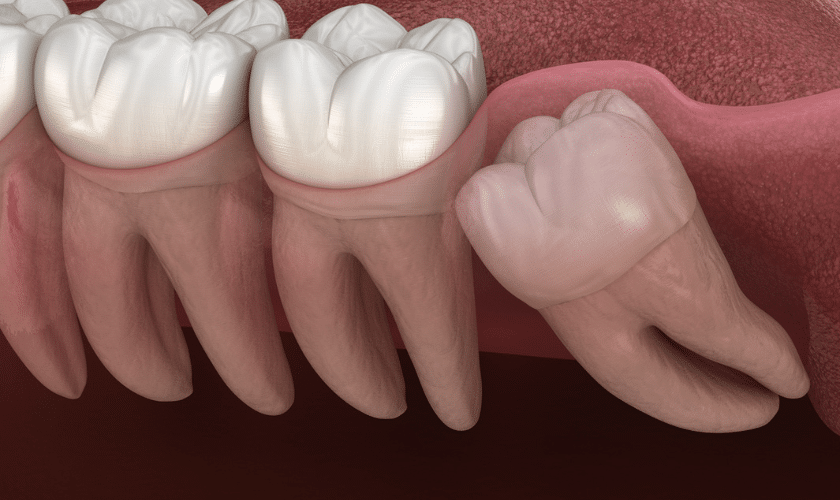
Wisdom teeth often make their debut during the late teens or early twenties, a time when many people are just settling into their adult lives. These final molars, tucked away at the back of your mouth, can bring more than just a new set of teeth—they can cause a host of dental issues that might surprise you. From causing discomfort to leading to more severe complications like infections and misalignment, wisdom teeth can significantly impact your oral health. Curious about how removing these troublesome teeth can benefit you? Read on to discover how wisdom teeth removal can enhance your overall dental well-being and what steps to take for a smooth recovery.
Understanding the Impact of Wisdom Teeth Removal on Oral Health
Wisdom teeth, also known as third molars, are the last set of molars located at the back of the mouth. They typically emerge in the late teens or early twenties. For many, the arrival of these teeth can lead to various complications, necessitating their removal. Understanding how wisdom teeth removal can influence your oral health is crucial for making informed decisions and ensuring long-term dental well-being.
Why Wisdom Teeth Are Removed
Wisdom teeth often need to be removed due to a lack of space in the mouth. When there isn’t enough room for these molars to come in properly, they can become impacted. Impacted teeth may grow at odd angles, causing pain and leading to potential infections. In some cases, they may only partially emerge, which increases the risk of gum disease and tooth decay. Additionally, wisdom teeth that are misaligned can affect adjacent teeth, leading to crowding and alignment issues.
The Procedure of Wisdom Teeth Removal
Wisdom teeth removal is a common dental procedure that can vary in complexity. For teeth that are fully erupted and have straightforward roots, the extraction process may be relatively simple. However, for impacted or partially erupted teeth, the procedure may be more involved. In such cases, an oral surgeon might need to make an incision in the gum tissue and remove the tooth in sections. Local anesthesia is typically used, but sedation options are available for more complex extractions.
Post-Extraction Recovery
After the extraction, recovery is an important phase of the process. Patients might experience swelling, discomfort, and minor bleeding, which are normal parts of the healing process. Following the dentist’s post-operative care instructions is essential to ensure proper healing and avoid complications. This includes eating soft foods, keeping the extraction site clean, and avoiding strenuous activities that could interfere with the healing process.
Long-Term Effects on Oral Health
Removing wisdom teeth can have several positive effects on oral health. One of the primary benefits is the reduction of the risk of infection and decay. Impacted wisdom teeth can trap food particles and bacteria, leading to gum infections and cavities. By removing these problematic teeth, patients can maintain better oral hygiene and prevent these issues.
Additionally, the removal of wisdom teeth can prevent potential crowding. As these teeth emerge, they may push against adjacent teeth, causing misalignment. By addressing this issue early, patients can avoid costly alignment treatments later on. Furthermore, wisdom teeth removal can reduce the risk of developing cysts or tumors around the impacted teeth, which can lead to more severe complications if left untreated.
The Role of a Dentist in Managing Wisdom Teeth
A skilled Chandler dentist plays a crucial role in managing wisdom teeth and ensuring a successful outcome. Regular dental check-ups and X-rays are essential for monitoring the development of wisdom teeth and assessing potential issues. If your dentist identifies any problems or predicts complications, they will recommend the appropriate course of action. In some cases, a referral to an oral surgeon may be necessary for a more specialized approach.
Alternatives and Considerations
While wisdom teeth removal is a common procedure, it is not always the right choice for everyone. In some cases, if the wisdom teeth are healthy, properly aligned, and do not cause any issues, they may not require removal. However, regular monitoring is essential to ensure that no future problems develop. Patients should discuss their options with their dentist to determine the best approach for their specific situation.
Importance of Post-Operative Care
Post-operative care is critical to ensure a smooth recovery and prevent complications. Patients should follow their dentist’s instructions carefully, including taking prescribed medications, avoiding certain foods, and maintaining oral hygiene. It’s also important to attend follow-up appointments to monitor the healing process and address any concerns.
When to Seek Professional Advice
If you experience persistent pain, swelling, or signs of infection after the extraction, it’s important to contact your dentist promptly. Sometimes complications can arise, such as dry socket, where the blood clot in the extraction site dislodges, exposing the bone and nerves. Timely intervention can help manage these issues effectively and prevent further discomfort.
Wisdom teeth removal can have a significant impact on your oral health. By addressing potential problems early, you can prevent complications such as infections, misalignment, and crowding. Regular dental visits and timely interventions are key to maintaining optimal oral health. If you’re considering wisdom teeth removal, consulting with a qualified dentist can provide valuable insights and guidance. For those in Chandler, wisdom teeth removal can be managed with the expertise of local dental professionals who can ensure a smooth and effective process.
Recent Posts
When Root Canal Therapy Can Rescue a Fractured Tooth

Managing Sensitivity: Is Professional Teeth Whitening in Chandler, Arizona Safe?

Understanding the Fine Print: Everything You Need to Know About “Use-It-Lose-It” Dental Insurance

Dental Implant Failures: How Exceptional Dentistry of Chandler Prevents and Manages Complications
