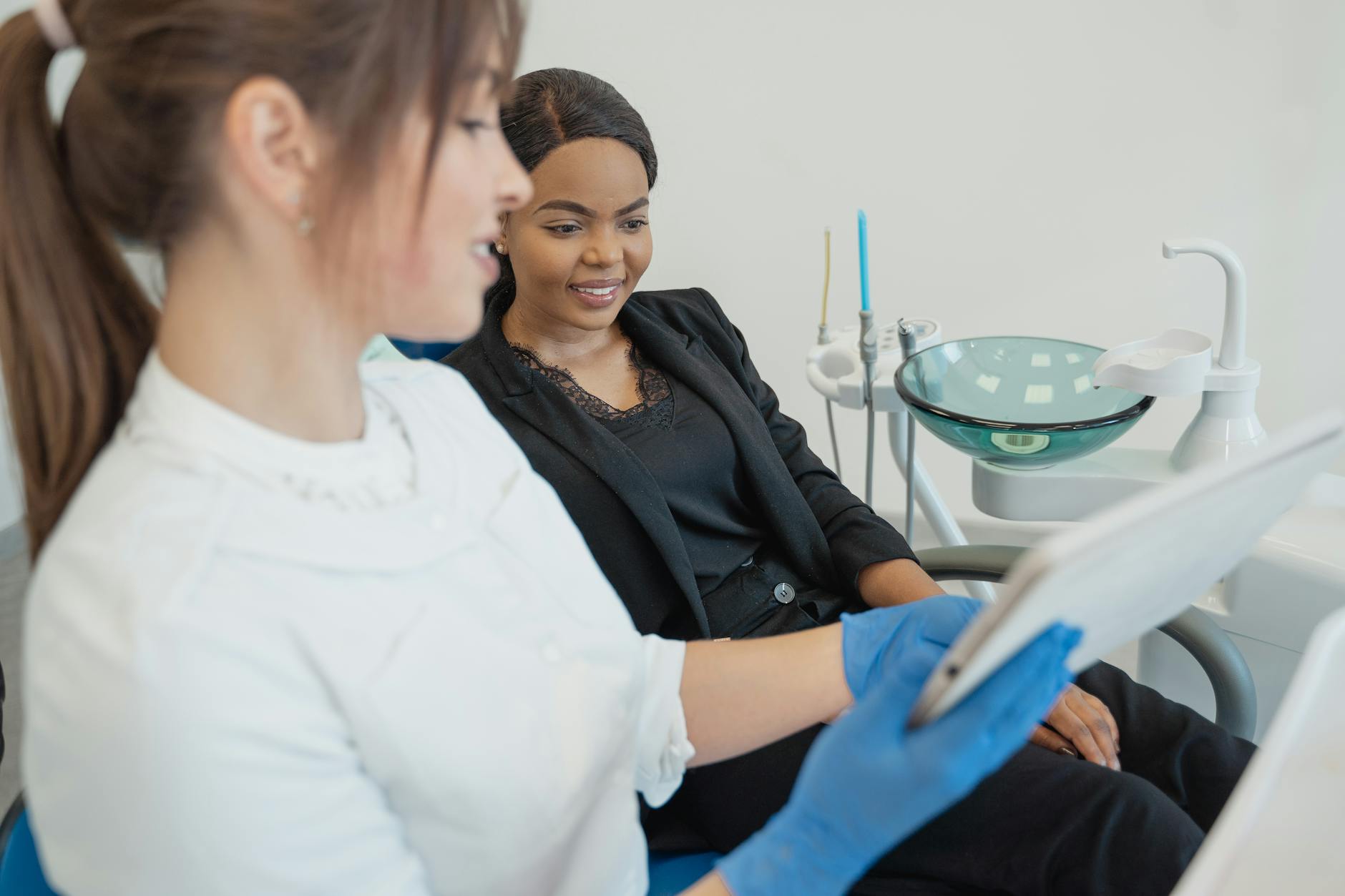
Braces vs. Invisalign: Choosing the Perfect Option for Adult Teeth Alignment in Chandler

Deciding to align your teeth can be a life-changing choice for adults. However, the debate between traditional braces and Invisalign often raises many questions. Both options serve the same purpose—correcting alignment issues—but approach it differently. For many adults, the choice between braces and Invisalign revolves around comfort, aesthetics, and lifestyle compatibility. This blog will discuss the differences between the two methods to help you choose the perfect option for your teeth alignment.
1. Aesthetic Appeal: Visible vs. Invisible
- Traditional Braces: Braces are noticeable due to their metal brackets and wires. They may cause some self-consciousness, especially in social or professional environments where appearance matters.
- Invisalign: Clear aligners are nearly invisible, making them an excellent choice for adults who prioritize discretion in their treatment. The aligners fit snugly over your teeth and are hardly noticeable during daily activities.
Why Does Invisalign Appeal to Adults?
Invisalign offers a modern, subtle option for teeth alignment. Invisalign is often the top choice for those who want to improve their smile without drawing attention.
2. Comfort and Convenience: Daily Life Impact
- Traditional Braces: Braces can cause discomfort, especially after adjustments. The brackets and wires can rub against your cheeks and lips, creating soreness or irritation.
- Invisalign: Invisalign aligners are made of smooth plastic, reducing the chance of irritation. They can be removed when eating or brushing your teeth, offering more flexibility and comfort in your daily life.
Invisalign for a Comfortable Experience
For adults juggling work, social commitments, or family, the convenience of removing clear aligners during meals or brushing can be a game-changer. The absence of metal parts also means fewer mouth sores and irritation.
3. Eating and Oral Hygiene: Restrictions vs. Freedom
- Traditional Braces: Wearing braces comes with dietary restrictions. Sticky, hard, or crunchy foods can damage the brackets, making it essential to avoid certain items during treatment. Food sticking between the wires and brackets can also make oral hygiene challenging.
- Invisalign: With Invisalign, there are no food restrictions. You can remove your aligners before meals, allowing you to eat anything. Cleaning your teeth is also easier since the aligners can be removed for brushing and flossing.
Clear Aligners for Simplified Eating and Cleaning
Adults appreciate the flexibility that Invisalign provides. Whether attending a work lunch or enjoying dinner with family, you don’t have to worry about food restrictions or unique cleaning routines.
4. Treatment Duration: Comparing Timelines
- Traditional Braces: Braces generally require a longer treatment time, ranging from 18 months to 3 years, depending on the complexity of your case.
- Invisalign: Invisalign often has a shorter treatment time, especially for mild to moderate alignment issues. Many patients complete their treatment within 12-18 months.
Why Invisalign Offers Speedier Results for Adults?
For adults seeking faster results, Invisalign can be more attractive. The clear aligners apply consistent pressure to move teeth more efficiently, allowing many to achieve their desired smile in less time.
5. Maintenance and Follow-Up: Responsibilities and Appointments
- Traditional Braces: Braces require regular visits to the dentist or orthodontist for tightening and adjustments. There is also the responsibility of ensuring the brackets and wires stay intact during the treatment.
- Invisalign: Invisalign treatment involves fewer in-office visits. You’ll be given a series of aligners, which you change at home every 1-2 weeks. Follow-up appointments are typically spaced farther apart than with braces.
Invisalign’s Low-Maintenance Approach
Busy adults appreciate the reduced need for frequent dentist visits with Invisalign. Changing aligners at home without much pain and discomfort makes transparent aligners more in demand among patients.
6. Suitability for Complex Cases: Braces May Have the Edge
- Traditional Braces: Braces can handle more complex orthodontic cases. They offer more control over tooth movement, making them ideal for severe misalignment, rotated teeth, or bite issues.
- Invisalign: While a clear brace is suitable for many adults, particularly those with mild to moderate alignment needs, it may not be the best option for complex orthodontic cases.
Braces as a Better Fit for Complex Adjustments
Braces can be a more reliable option for adults with complicated dental issues. They provide the strength to tackle difficult alignment problems, ensuring the best long-term results.
Choosing between traditional braces and clear aligner braces depends on several factors, including your alignment needs, lifestyle, and preferences. While braces may be a better fit for those with complex orthodontic issues, Invisalign offers an appealing, discreet, and flexible alternative for adults who want an easier path to a straighter smile.
If you want clear aligner braces, consult an Invisalign dentist near Chandler to evaluate your case. You can achieve the smile you’ve always wanted with the right guidance.
Recent Posts
Sealants & Fluoride for Kids in Chandler, AZ | Exceptional Dentistry

Periodontal Care in Chandler, AZ | Exceptional Dentistry
Periodontal Care Chandler | Is It Right for You?