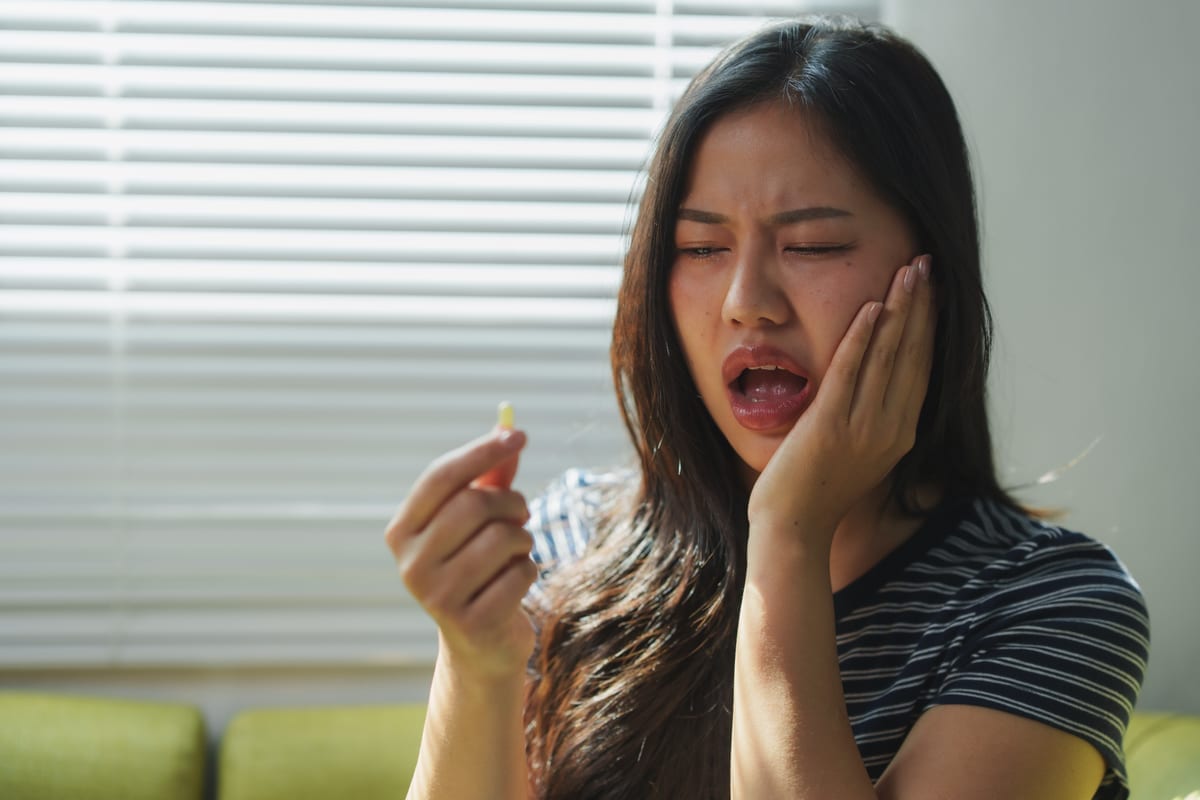
Your Dental Crown’s Lifespan: What Really Determines It

Understanding your dental crown’s lifespan is something every patient in Guadalupe deserves to know. Crowns are a significant investment in your oral health. Yet many people are surprised when a crown fails earlier than expected. At Exceptional Dentistry of Chandler, Dr. Eric Hwang helps patients understand exactly what determines how long a crown will last — and what they can do to protect it.
How Long Does a Dental Crown Typically Last in Guadalupe?
Most dental crowns last between 10 and 15 years on average. With excellent care, many crowns last 20 years or more. The material used, your bite habits, and your daily hygiene routine all play a major role. Patients in Guadalupe who follow consistent care routines tend to see the best results.
Porcelain crowns are popular for their natural appearance. However, they can be more prone to chipping than metal or zirconia options. Zirconia crowns are extremely durable and resist fracture well. Your dentist will recommend the right material based on where the crown is placed and how you use your teeth.
The location of the crown also matters greatly. Crowns on back molars face much heavier chewing forces. Those on front teeth deal with less pressure but are more visible. Each situation calls for a tailored approach to maximize longevity.
What Shortens Your Dental Crown’s Lifespan the Most?
Several habits and conditions can dramatically reduce how long your crown lasts. Knowing these risks gives you the power to prevent early failure. Your dental crown’s lifespan in Guadalupe depends heavily on what happens after placement.
Here are the most common factors that shorten crown longevity:
- Teeth grinding (bruxism): Grinding puts enormous pressure on crowns, especially overnight.
- Chewing hard foods: Ice, hard candies, and popcorn kernels can crack or dislodge crowns.
- Poor oral hygiene: Bacteria accumulate at the crown margin, leading to decay underneath.
- Nail biting or chewing on pens: These habits create stress on the crown’s structure.
- Gum disease: Periodontal disease can weaken the tooth and supporting bone beneath a crown.
- Using teeth as tools: Opening packages or bottles with your teeth damages crowns quickly.
Grinding is particularly destructive. Many grinders do it unconsciously during sleep. Dr. Hwang often recommends a custom nightguard to protect both natural teeth and crowns from this damage.
Diet also plays a surprising role. Sticky foods like caramel or chewing gum can pull at a crown and loosen the cement underneath. Avoiding these foods extends your crown’s useful life considerably.
The Role of Oral Hygiene in Crown Longevity
A crown covers a tooth — but it does not make that tooth invincible. The natural tooth structure underneath can still develop decay. Bacteria love to gather at the gumline where the crown meets the tooth. Poor hygiene in that area leads to what dentists call recurrent decay.
Here are key hygiene habits that protect your crown:
- Brush twice daily with a soft-bristled toothbrush
- Floss carefully around the crown margin every single day
- Use a fluoride toothpaste to strengthen the tooth beneath the crown
- Rinse with an antibacterial mouthwash to reduce bacterial load
- Visit your dentist every six months for professional cleanings and crown checks
Flossing around a crown requires a gentle technique. Slide floss carefully rather than snapping it, which can loosen the crown’s seal. Water flossers are also a great option for cleaning around crowns without risk of disruption.
If you have concerns about your gum health around a crowned tooth, our team offers comprehensive Cosmetic Dentistry Lp Guadalupe services that also address the underlying health of your smile. Healthy gums form the foundation every crown needs to thrive long-term.
Signs Your Dental Crown Needs Replacing
Even well-cared-for crowns eventually show signs of wear. Recognizing these signs early prevents bigger problems. Waiting too long can mean the underlying tooth suffers additional damage that complicates treatment.
Watch for these warning signs that your crown may need replacement:
- Sensitivity or pain: Discomfort when biting or with hot and cold temperatures signals a problem.
- Visible cracks or chips: Damaged crowns can harbor bacteria and stress the tooth beneath.
- Crown feels loose or shifts: The cement may have failed, leaving the tooth vulnerable.
- Dark line at the gumline: This often indicates an older metal-based crown showing through.
- Gum recession around the crown: Exposed margins increase decay risk significantly.
- Crown is over 15 years old: Age alone is a reason to have it evaluated carefully.
Pain when biting is never something to ignore. It can mean the crown has cracked or the bite alignment has shifted. Dr. Hwang will assess the crown using X-rays and clinical examination to determine the best course of action.
Sometimes a crown can be repaired rather than fully replaced. A minor chip on a porcelain crown, for example, may be smoothed or bonded in some cases. However, significant damage almost always requires a new crown to fully protect the tooth.
How Dr. Eric Hwang Helps Guadalupe Patients Protect Their Crowns
At Exceptional Dentistry of Chandler, Dr. Hwang takes a personalized approach to every crown patient. He evaluates your bite, your habits, and your overall oral health before recommending a crown material. This thorough process helps set each patient up for long-term success.
Regular checkups are the single most valuable investment you can make. During these visits, Dr. Hwang checks the fit and integrity of existing crowns. He also identifies early signs of decay, grinding damage, or gum changes before they become serious problems.
For patients interested in the aesthetic side of crown work, our practice also offers comprehensive Cosmetic Dentistry Guadalupe solutions. These services combine beauty with long-lasting function for a smile you can feel confident about.
Patients from Guadalupe and surrounding communities trust Exceptional Dentistry of Chandler for expert guidance on all things related to crown care. Whether you need a new crown, a crown evaluation, or a replacement, our team is here to help every step of the way.
Conclusion: Make Your Crown Last
Your dental crown’s lifespan is not just about what happens in the dental chair. It is shaped by your daily habits, your diet, and how consistently you care for your oral health. Grinding, hard foods, and neglected hygiene are the biggest threats to a crown’s longevity. But with the right knowledge and support from Dr. Eric Hwang, Guadalupe patients can enjoy crowns that last for many years to come. Book Now to schedule your appointment with our team.
Frequently Asked Questions
How long should a dental crown last on average?
Most dental crowns last between 10 and 15 years with proper care. Some crowns made from high-quality materials like zirconia can last 20 years or longer. Your daily habits and oral hygiene routine play a major role in how long your crown remains functional and intact.
What is the most common reason dental crowns fail early?
Teeth grinding, also called bruxism, is one of the most common causes of early crown failure. It places excessive force on the crown during sleep or stressful moments. A custom nightguard can significantly reduce this risk and extend your crown’s lifespan.
Can decay develop under a dental crown?
Yes, decay can still form beneath a crown if bacteria accumulate at the margin where the crown meets the tooth. Brushing, flossing, and regular dental checkups are essential to prevent this. Early detection through X-rays helps catch decay before it causes serious damage.
What are the signs that my dental crown needs to be replaced?
Common signs include pain or sensitivity when biting, a visible crack or chip in the crown, a loose-feeling crown, or a dark line appearing at the gumline. If your crown is more than 15 years old, it is wise to have it professionally evaluated even without obvious symptoms.
Does the material of a crown affect how long it lasts?
Absolutely. Metal and zirconia crowns tend to be the most durable, especially for back teeth that endure heavy chewing forces. Porcelain crowns look the most natural but can be more prone to chipping. Dr. Hwang will recommend the best material based on the crown’s location and your individual needs.
Recent Posts
Your Dental Crown’s Lifespan: What Really Determines It
Your Dentures Are Dying: 5 Daily Mistakes You’re Making
Your Dental Bridge Appointment: Inside Each Step of the Procedure

Sleep Apnea Treatment Isn’t for Everyone: Is It Right for You?