Your Dentures Are Dying: 5 Daily Mistakes You’re Making
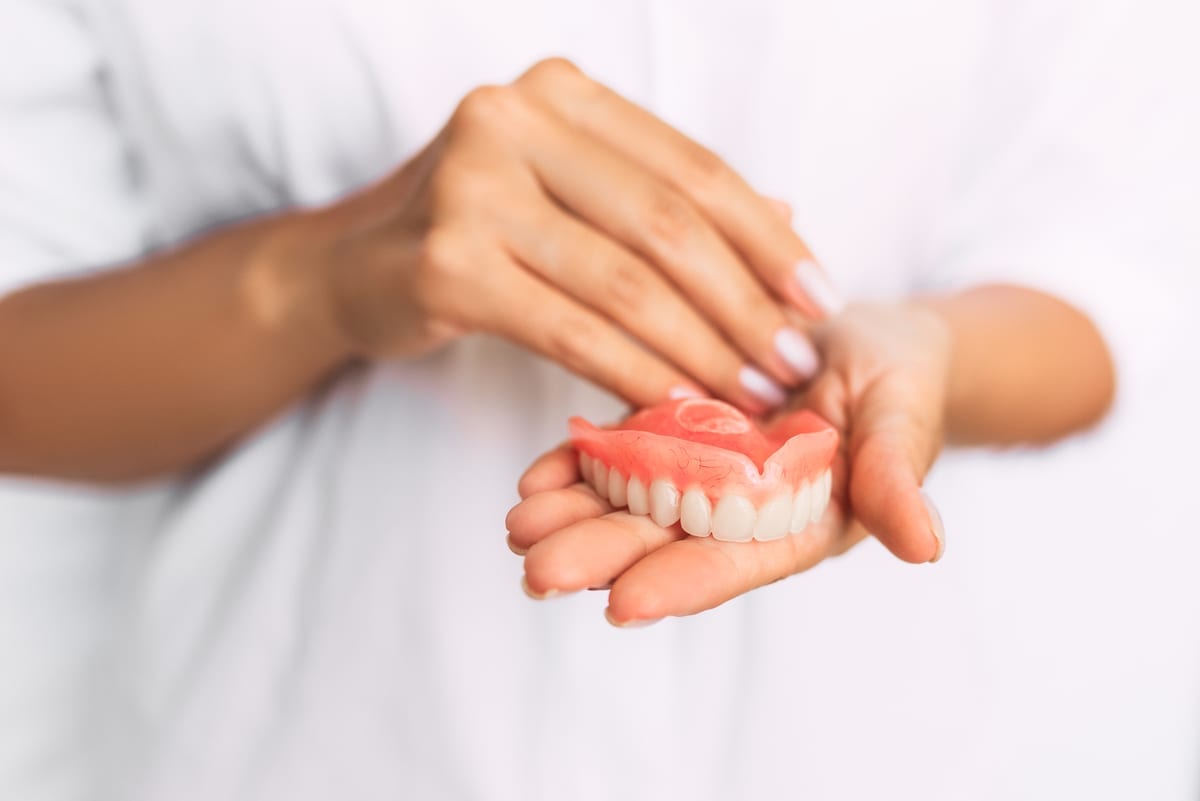
If you wear dentures in Ahwatukee Foothills, your daily habits matter more than you think. Many patients unknowingly damage their dentures every single day. These small mistakes shorten denture lifespan and lead to costly replacements. Understanding the right care routine can save your smile — and your wallet.
At Exceptional Dentistry of Chandler, Dr. Eric Hwang sees patients from across the Ahwatukee Foothills area dealing with avoidable denture problems. Many of these issues trace back to simple but harmful daily routines. This guide walks you through the five most common mistakes and exactly what to do instead.
Mistake 1: Using the Wrong Cleaning Products on Your Dentures
One of the biggest denture mistakes is reaching for regular toothpaste. Standard toothpaste contains abrasive particles designed for natural enamel. On denture acrylic, those particles create microscopic scratches. Those scratches trap bacteria and stain your dentures permanently.
Instead, use a cleaner specifically formulated for dentures. Mild dish soap or a dedicated denture paste works well for daily brushing. Always use a soft-bristled denture brush — never a firm toothbrush. Gentle, consistent cleaning preserves the surface and keeps your dentures looking newer, longer.
- Use denture-specific toothpaste or mild soap only
- Choose a soft-bristled denture brush
- Brush all surfaces, including the underside and clasps
- Rinse thoroughly after every cleaning session
Mistake 2: Skipping the Nightly Soak — and Why It Destroys Your Dentures in Ahwatukee Foothills
Dentures are not designed to stay dry overnight. The acrylic material can warp, crack, or shrink without proper moisture. Patients in Ahwatukee Foothills often skip soaking to save time. This shortcut significantly accelerates denture deterioration.
Soak your dentures in clean, cool water or a denture-soaking solution every night. Never use hot water — heat causes the material to warp and lose its fit. A poor-fitting denture puts pressure on your gum tissue. That constant pressure can lead to sore spots and bone loss over time.
A proper nightly soak also helps loosen debris that brushing alone cannot remove. Think of it as a deep clean while you sleep. This small habit adds years to your dentures’ functional life. It also keeps them smelling fresh and feeling comfortable each morning.
Mistake 3: Dropping or Mishandling Dentures During Cleaning
Dentures are surprisingly fragile. A single drop onto a hard bathroom floor can crack, chip, or completely break them. Many patients clean dentures over a dry, hard surface without thinking twice. This is one of the most common and expensive mistakes we see.
Always place a folded towel in the sink before removing your dentures. Fill the basin partway with water as an extra cushion. Handle dentures with both hands and move slowly and deliberately. A crack from one bad drop can require full replacement.
- Line the sink with a soft towel before removing dentures
- Hold dentures firmly with both hands while cleaning
- Never leave dentures on a countertop where they could fall
- Store dentures in a denture case when not in use
- Keep dentures away from children and pets
Mistake 4: Wearing Dentures 24 Hours a Day Without Breaks
Your gum tissue needs rest, just like any other body part. Wearing dentures around the clock puts continuous pressure on your gums. Over time, this causes tissue inflammation and accelerates bone resorption. Bone loss under your denture leads to a poor fit — and that fit only gets worse.
Dr. Eric Hwang recommends removing your dentures for at least six to eight hours daily. Nighttime removal is the most practical solution for most patients. This rest period allows gum tissue to recover and maintain its natural shape. Better tissue health means a better, more comfortable denture fit.
If your dentures already feel loose or uncomfortable, do not ignore it. A loose denture causes rubbing, sores, and even difficulty eating. Schedule a denture adjustment or reline with your dental team promptly. Catching fit problems early prevents far larger — and more expensive — complications later.
Mistake 5: Ignoring Regular Dental Visits While Wearing Dentures
Many denture wearers assume they no longer need routine dental checkups. This is a dangerous misconception. Regular visits allow Dr. Hwang to check your oral tissues, evaluate bone structure, and assess denture fit. Problems caught early are always easier and less costly to address.
Your mouth continues to change even without natural teeth. Bone and gum tissue shift gradually over months and years. These changes affect how your dentures fit and function. Without regular monitoring, you may not notice the decline until significant damage has occurred.
During checkups at Exceptional Dentistry of Chandler, our team also screens for oral cancer and other tissue changes. These screenings are a critical benefit of keeping your dental appointments. Denture wearers are not exempt from these health risks. In fact, some risks increase when oral tissues are under constant denture pressure.
If you are exploring additional options to restore or enhance your smile, learn about Cosmetic Dentistry Lp Ahwatukee Foothills solutions that may complement your current denture treatment plan. Many patients also benefit from reviewing comprehensive Cosmetic Dentistry Ahwatukee Foothills options to understand what treatments can work alongside or beyond dentures.
Building the Right Daily Denture Care Routine
A good denture care routine does not have to be complicated. Consistency matters far more than complexity. Following a simple daily schedule protects your investment and keeps your smile healthy. Here is what an ideal routine looks like:
- Remove dentures after meals and rinse them under cool water
- Brush all surfaces gently with a denture brush and appropriate cleaner each evening
- Soak dentures overnight in cool water or denture solution
- Rinse dentures thoroughly each morning before reinserting
- Clean your gums, tongue, and palate with a soft brush while dentures are out
This routine takes fewer than ten minutes total. Those ten minutes protect your dentures, your gum tissue, and your overall oral health. Small daily actions compound into enormous long-term benefits. Think of it as protecting an investment that directly affects your quality of life.
When to See Dr. Eric Hwang About Your Dentures
Some signs should prompt an immediate visit to our Chandler office. Do not wait for your next scheduled checkup if you notice any of the following. Acting quickly prevents minor issues from becoming major problems.
- Dentures feel loose, shift while speaking, or slip while eating
- Sore spots, redness, or swelling on gum tissue under the denture
- Cracks, chips, or broken clasps on the denture itself
- Persistent bad breath even after thorough cleaning
- Difficulty chewing foods you previously ate without trouble
Dr. Hwang and the team at Exceptional Dentistry of Chandler are here to help patients across Ahwatukee Foothills maintain healthy, comfortable smiles. Whether you need a simple adjustment, a reline, or a full evaluation, we provide caring and expert guidance every step of the way.
Your dentures are an important part of your daily life and your confidence. Do not let avoidable daily mistakes shorten their lifespan or harm your oral health. Schedule your evaluation today and take control of your denture care. Book Now to schedule your appointment with our team.
Frequently Asked Questions
How often should I clean my dentures each day?
You should rinse your dentures after every meal and brush them thoroughly at least once each day, ideally in the evening. Daily cleaning removes food debris, plaque, and bacteria before they cause staining or odor. Consistent cleaning also helps you spot any cracks or damage early.
Can I use regular toothpaste on my dentures?
No. Regular toothpaste is too abrasive for denture materials. It creates tiny surface scratches that trap bacteria and cause permanent staining. Use a denture-specific cleaner or mild dish soap with a soft-bristled denture brush instead.
What happens if I sleep with my dentures in every night?
Wearing dentures continuously puts constant pressure on your gum tissue and underlying bone. Over time, this accelerates bone loss and causes your dentures to fit poorly. Removing dentures for at least six to eight hours daily allows your oral tissues to rest and recover.
How do I know when my dentures need to be replaced?
Most dentures last between five and ten years with proper care. Signs that replacement may be needed include persistent looseness, visible cracks, difficulty chewing, or frequent sore spots. Regular dental visits with Dr. Eric Hwang help identify when a reline, adjustment, or replacement is appropriate.
Do I still need dental checkups if I have full dentures?
Absolutely. Even without natural teeth, your gum tissue, bone structure, and oral tissues require professional monitoring. Dr. Hwang checks for tissue changes, bone resorption, oral cancer, and denture fit during routine visits. Skipping checkups increases the risk of undetected problems that can become serious over time.
Recent Posts

Your Dental Crown’s Lifespan: What Really Determines It
Your Dentures Are Dying: 5 Daily Mistakes You’re Making
Your Dental Bridge Appointment: Inside Each Step of the Procedure

Sleep Apnea Treatment Isn’t for Everyone: Is It Right for You?