What You’ll Actually Feel During a Root Canal Treatment
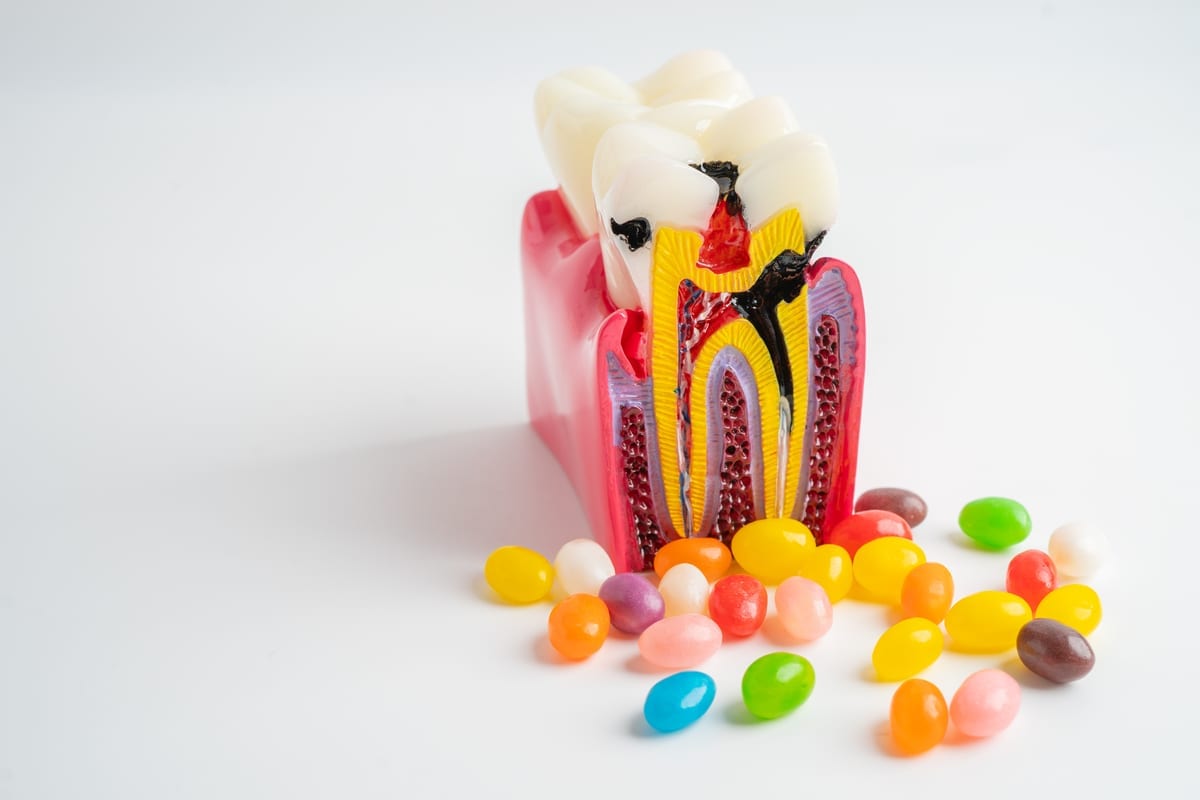
Many patients in Chandler avoid scheduling a root canal because of fear. But most of that fear is based on outdated information. Understanding what you’ll actually feel during a root canal treatment in Chandler can make the entire experience far less intimidating. At Exceptional Dentistry of Chandler, Dr. Eric Hwang helps patients feel informed and at ease before the first step even begins.
The truth is that modern root canal treatment is far more comfortable than people expect. Most patients compare it to getting a routine filling. Let’s walk through each stage so you know exactly what to expect.
Step One: Numbing the Area — What You Feel First
Before anything begins, Dr. Hwang applies a topical numbing gel to your gum. This takes effect quickly and reduces any sensation from the local anesthetic injection. You may feel mild pressure from the needle, but most patients feel very little discomfort at this stage.
Within a few minutes, the local anesthetic fully numbs your tooth and the surrounding tissue. You should feel no pain at all once the area is numb. If you ever feel sensitivity during the procedure, simply raise your hand and Dr. Hwang will pause and adjust.
- Topical gel is applied first to minimize injection discomfort
- Local anesthetic takes effect within two to three minutes
- You remain fully awake but completely comfortable
- Sedation options are available if you feel anxious
For patients with dental anxiety, our Cosmetic Dentistry Lp Chandler team also offers sedation dentistry options. These help patients stay relaxed throughout longer or more involved procedures.
Step Two: Accessing and Cleaning the Tooth — Pressure, Not Pain
Once you are fully numb, Dr. Hwang creates a small opening in the top of the tooth. A dental dam is placed around the tooth to keep the area clean and dry. You will feel pressure and vibration from the instruments, but not pain.
The infected or damaged pulp inside the tooth is carefully removed using small, precise instruments. The canals inside the tooth roots are then shaped and cleaned thoroughly. This is the part most people dread — but because you are numb, you simply feel movement and pressure.
Some patients notice a slight sensation of pressure deep in the jaw. This is completely normal and does not indicate pain. It simply means the instruments are reaching the lower portion of the root canals.
- A rubber dental dam isolates and protects the treatment area
- Instruments are very small and designed for precision
- Vibration from the drill is normal and expected
- No sharp or shooting pain should occur while numb
- The process is methodical and controlled at every step
What Happens After the Canals Are Cleaned
After cleaning, Dr. Hwang rinses the canals with an antibacterial solution. This removes any remaining bacteria and debris. You will not feel this rinse — your tooth is still completely numb at this point.
The canals are then dried and filled with a biocompatible material called gutta-percha. This material seals the canals to prevent reinfection. A temporary or permanent filling is placed over the opening to close the tooth.
In most cases, a dental crown is recommended to protect the tooth long-term. Dr. Hwang will discuss your restoration options before you leave the office. The crown placement is a separate appointment and involves its own numbing process.
What You Feel After the Appointment — Recovery Expectations
Once the anesthetic wears off, you may notice mild soreness in the treated area. This is normal and typically lasts one to three days. Over-the-counter pain relievers are usually enough to manage any discomfort.
Most patients return to normal daily activities the same day or the day after treatment. The tooth itself no longer contains any nerve tissue, so ongoing tooth sensitivity goes away. Many patients feel immediate relief from the infection pain that brought them in.
Your gum tissue around the tooth may feel tender when you chew or press on it. This resolves on its own within a few days. If soreness worsens or you develop swelling, contact our office right away.
Patients interested in restoring the appearance of treated teeth can also explore options through our Cosmetic Dentistry Chandler services. A natural-looking crown can blend seamlessly with your surrounding teeth.
Why Patients at Exceptional Dentistry of Chandler Feel Comfortable
Dr. Eric Hwang takes a patient-first approach to every procedure. He explains each step before performing it. Patients always know what is coming next, which reduces anxiety significantly.
The team at Exceptional Dentistry of Chandler uses modern techniques and equipment throughout every treatment. Precise numbing methods and gentle instrumentation make root canal treatment far more comfortable than it was decades ago. Fear of root canals is largely based on old experiences that no longer reflect current dental care.
If you have been avoiding treatment because of anxiety, you are not alone. We see this every day. Our goal is to give you a positive experience that changes how you feel about dental care going forward.
You deserve to be free from tooth pain and infection. Don’t let fear delay treatment that can save your tooth and restore your quality of life. Book Now to schedule your appointment with our team.
Frequently Asked Questions
Does a root canal hurt during the procedure?
No. With proper local anesthesia, you should feel no pain during a root canal. You may feel pressure and vibration, but these sensations are not painful. Dr. Hwang monitors your comfort throughout the entire appointment.
How long does a root canal appointment take?
Most root canal appointments at Exceptional Dentistry of Chandler take between 60 and 90 minutes. More complex cases with multiple canals may take longer. Dr. Hwang will give you a time estimate before your appointment.
Will I need time off work after a root canal?
Most patients return to work or normal activities the same day. Mild soreness is common for one to three days after treatment. You can take over-the-counter pain medication to stay comfortable during recovery.
How do I know if I need a root canal?
Common signs include severe toothache, prolonged sensitivity to heat or cold, darkening of the tooth, and swelling near the gum. Only a dental exam and X-rays can confirm whether root canal treatment is needed. Schedule an evaluation with Dr. Hwang if you experience any of these symptoms.
Is a crown always required after a root canal?
In most cases, yes. A crown protects the treated tooth from fracturing under normal chewing forces. Dr. Hwang will assess your specific situation and recommend the best restoration option for your tooth.
Recent Posts

Your Dental Crown’s Lifespan: What Really Determines It
Your Dentures Are Dying: 5 Daily Mistakes You’re Making

Your Dental Bridge Appointment: Inside Each Step of the Procedure

Sleep Apnea Treatment Isn’t for Everyone: Is It Right for You?