

Are Dental Implants Right for You? | Chandler
Are Dental Implants Right for You? A Self-Assessment Guide
Dental implants are one of the most trusted solutions for replacing missing teeth. They look natural, function like real teeth, and can last decades with proper care. But are they the right choice for everyone? At Exceptional Dentistry of Chandler, we believe every patient deserves clear, honest information before making a decision. This guide will help you think through whether dental implants may be a good fit for your situation.
What Are Dental Implants and How Do They Work?
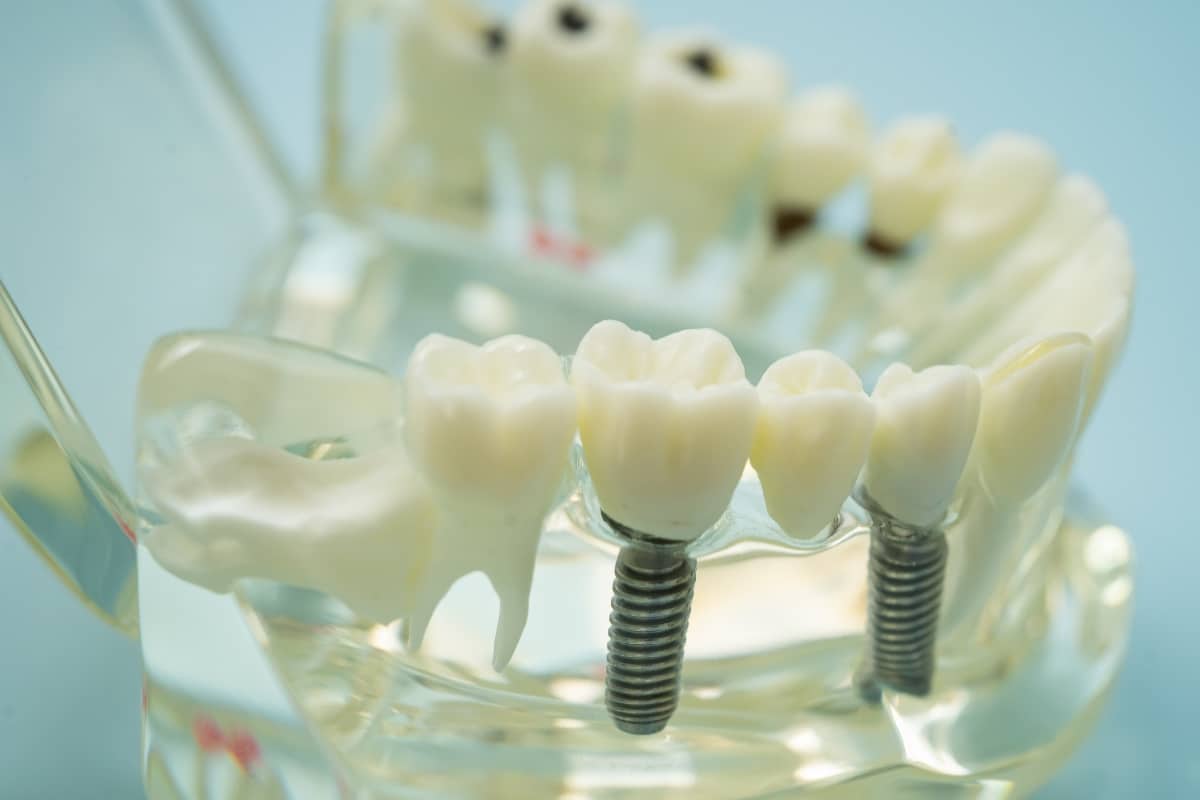
A dental implant is a small titanium post placed into the jawbone. It acts as an artificial tooth root. Over several months, the post fuses with the bone in a process called osseointegration. Once healed, a custom crown is placed on top to complete the restoration.
The result closely mimics a natural tooth in both appearance and function. You can chew, speak, and smile with confidence. Unlike removable dentures, implants stay fixed in place. They do not slip or shift during daily activities.
This permanence is one of the biggest reasons patients pursue implants. They also help preserve jawbone density over time. When a tooth is lost, the surrounding bone can begin to shrink. An implant stimulates the bone and slows that process significantly.
Signs You May Be a Good Candidate for Dental Implants
Not everyone is automatically a candidate, but many adults qualify with the right preparation. There are several positive indicators our dental team looks for during an evaluation. Consider these signs that often point toward implant eligibility:
- You have one or more missing teeth that affect your bite or appearance
- Your jawbone has adequate density and volume to support an implant
- Your gums are healthy with no active periodontal disease
- You are a non-smoker or are committed to quitting before treatment
- You are in generally good health and able to undergo a minor surgical procedure
- Your remaining teeth and bite are stable and well-maintained
- You are looking for a long-term, low-maintenance tooth replacement option
If several of these points describe your situation, implants may be an excellent path forward. Age alone is rarely a barrier for adults. What matters most is bone health and overall wellness. A thorough exam will give you a much clearer picture.
Signs You May Want to Consider a Different Approach
There are also situations where dental implants may not be the most appropriate first step. This is not a reason to feel discouraged. Other restorative options can still deliver excellent results. Knowing the potential barriers helps you plan more effectively.
- Significant bone loss in the jaw that has not been addressed with grafting
- Active gum disease or untreated tooth decay that needs resolution first
- Certain medical conditions such as uncontrolled diabetes that may slow healing
- Current heavy smoking habits that can compromise implant success rates
- Young patients whose jawbones are still developing and not yet fully mature
- Preference for a shorter treatment timeline due to upcoming life events
- Need for a more budget-conscious solution in the immediate term
Some of these barriers are temporary. For example, bone grafting can rebuild density over time. Treating gum disease before implant placement often makes candidacy possible. Our team works with patients to address these factors step by step.
Thinking About Timing: Late Spring Considerations
May is a busy and meaningful month for many families. Prom season, graduations, and end-of-school celebrations fill the calendar. Many patients also begin thinking about summer and wanting to feel their best before events arrive. If you have been considering dental implants, late spring is actually a great time to start the conversation.
The implant process takes several months from placement to final restoration. Starting a consultation now means your smile could be well on its way by late summer or fall. Our dental team at Exceptional Dentistry of Chandler encourages patients to plan ahead. Giving yourself enough time makes the experience more comfortable and less rushed.
The temperate climate this time of year also supports healing for many patients. Staying hydrated and avoiding extreme temperature swings can make early recovery more manageable. Small lifestyle factors like these contribute to implant success in meaningful ways. Learn more about our full range of dental services to see how we support every stage of your care.
How a Consultation Determines the Right Path for You
A self-assessment is a helpful starting point, but it cannot replace a professional evaluation. At Exceptional Dentistry of Chandler, our dental team uses advanced imaging and a full oral health review to assess your candidacy. We look at bone structure, gum health, bite alignment, and your overall medical history. Each factor plays a role in determining whether implants are appropriate for you right now.
During a consultation, you will have the opportunity to ask questions. You can discuss your goals, concerns, and timeline openly. Our team will explain all available options clearly and without pressure. The goal is always to help you make an informed, confident decision.
If implants are not the right fit immediately, we will outline what steps could make them possible. Treatments like bone grafting, periodontal therapy, or dental crowns may be recommended as part of a broader plan. No two patients are alike, and no two treatment plans should be either. We customize every recommendation to your unique needs and goals.
You deserve complete, honest guidance from a team that prioritizes your long-term oral health. Whether implants are in your near future or further down the road, Exceptional Dentistry of Chandler is here to support you. Visit our contact page to get started today. Learn More about how we can help you.
Frequently Asked Questions
How long does the dental implant process take from start to finish?
The full process typically takes between three and nine months. This depends on whether bone grafting is needed and how quickly your body heals. The implant fuses with the bone over several months before the crown is placed. Our team will give you a personalized timeline during your consultation.
Does getting a dental implant hurt?
Most patients report less discomfort than they expected. The procedure is performed under local anesthesia, so you should not feel pain during placement. Mild soreness and swelling in the days after are normal. Over-the-counter pain relievers and cold compresses usually manage post-procedure discomfort well.
Can dental implants fail, and what causes that?
Implant failure is uncommon but can occur. The most common causes include smoking, uncontrolled health conditions, poor oral hygiene, and insufficient bone density. Choosing an experienced dental team and following post-care instructions greatly reduces this risk. Regular checkups help catch any concerns early.
Are dental implants only for adults?
Yes, implants are generally recommended only for adults whose jawbones have finished developing. This is typically in the late teens for most patients. Younger individuals with missing teeth may use temporary solutions until they are eligible. Our team can advise on the best age-appropriate options during a family dentistry visit.
What happens if I do not have enough bone for an implant?
Inadequate bone does not automatically disqualify you. Bone grafting is a procedure that rebuilds density in areas where bone has been lost. After grafting and a healing period, many patients become strong candidates for implants. Our team will evaluate your bone structure and discuss whether grafting is a helpful step for your situation.
Recent Posts
Are Dental Implants Right for You? | Chandler
When Root Canal Therapy Can Rescue a Fractured Tooth
Managing Sensitivity: Is Professional Teeth Whitening in Chandler, Arizona Safe?

Understanding the Fine Print: Everything You Need to Know About “Use-It-Lose-It” Dental Insurance
