

Pericoronitis Relief at Home: What You Need to Know
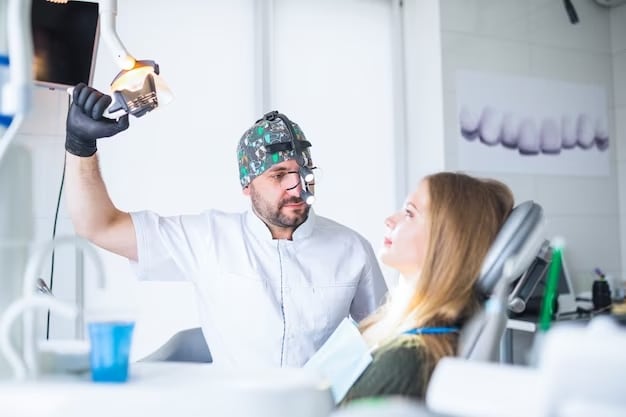
Are you experiencing pain and discomfort in your mouth? Have you noticed swelling, redness, or difficulty opening your jaw? If so, you may be suffering from pericoronitis. But don’t worry! There are simple ways to relieve the symptoms at home without having to rush to the dentist. In this blog post, we will guide you through everything you need to know about pericoronitis relief at home. From identifying the symptoms and causes of this condition to providing effective remedies that will help ease your discomfort – we’ve got it all covered! Keep reading for a healthier smile today.
Introduction to Pericoronitis
Pericoronitis is an infection of the gum tissue around the wisdom teeth. It can cause pain, swelling, and redness in the gums. Wisdom teeth extraction are the last teeth to come in, and they usually erupt in the late teens or early twenties. Pericoronitis can occur when food and bacteria become trapped around the wisdom teeth extraction and cause an infection.
Pericoronitis is treated with a combination of at-home care and professional dental treatment. At-home care includes good oral hygiene, rinsing with salt water, and taking over-the-counter pain medication. Professional dental treatment may be necessary to remove the infected tissue, relieve pain, and prevent further infection.
Symptoms of Pericoronitis
If you have pericoronitis, you may experience one or more of the following symptoms:
- Tenderness and pain around the affected tooth, which is often made worse by eating or drinking
- Swelling in the gums around the affected tooth
- Bad taste in your mouth
- An unpleasant smell coming from your mouth
- Difficulty opening your mouth wide
- Fever
Causes of Pericoronitis
There are a few different things that can cause pericoronitis, but the most common cause is when food gets caught in the gum tissue around your wisdom teeth extraction. This can happen if you don’t brush and floss properly or if you have large gaps in your teeth. When food gets trapped in these areas, it can start to decompose and release bacteria into your gum tissue. This can cause inflammation and irritation, which can lead to pericoronitis. Other causes of pericoronitis include infection, injury, or damage to the gum tissue around your wisdom teeth.
Treatment for Pericoronitis
If you’re dealing with pericoronitis, you’re probably wondering what the best course of treatment is. Unfortunately, there is no one-size-fits-all answer to this question. The best way to treat pericoronitis will vary depending on the severity of your symptoms and the underlying cause of the condition.
That said, there are some general treatments that can help relieve the pain and inflammation associated with pericoronitis. These include over-the-counter pain medication, mouthwashes, and warm salt water rinses. If your symptoms are severe, your dentist may also prescribe antibiotics.
In most cases, pericoronitis will resolve on its own within a week or two. However, if your symptoms are severe or persist for more than a couple of weeks, it’s important to see your dentist for further evaluation and treatment.
Home Remedies for Pericoronitis
If you have pericoronitis, you know how painful it can be. The good news is that there are some things you can do at home to help relieve the pain and inflammation. Here are a few home remedies for pericoronitis:
1. Rinse with salt water- Salt water is a natural disinfectant and can help to reduce inflammation. Simply mix 1 teaspoon of salt in 1 cup of warm water and swish it around your mouth for 30 seconds. Repeat this several times a day until the pain and inflammation start to subside.
2. Apply a cold compress- A cold compress can help to numb the pain and reduce inflammation. Wrap a bag of ice in a towel and apply it to the affected area for 10-15 minutes at a time. Repeat this every few hours as needed.
3. Take over-the-counter pain medication- If the pain is severe, you may need to take over-the-counter pain medication such as ibuprofen or acetaminophen. Be sure to follow the directions on the bottle and never take more than the recommended dosage.
4. Avoid hard or crunchy foods- Eating hard or crunchy foods can irritate the already inflamed tissue and make the pain worse. Stick to soft foods like soup, pudding, or mashed potatoes until the pericoronitis has subsided.
Conclusion
Pericoronitis can be a painful and irritating condition, but thankfully, there are ways to get relief at home. With the right knowledge and tools, you can alleviate your symptoms and prevent them from getting worse. Just remember to practice good oral hygiene, use cold compresses or warm salt water rinses to reduce inflammation, and talk with our Chandler dentist about available treatments if home remedies don’t provide enough relief. For more information on pericoronitis relief at home, contact us for additional resources today!
Recent Posts
When Root Canal Therapy Can Rescue a Fractured Tooth
Managing Sensitivity: Is Professional Teeth Whitening in Chandler, Arizona Safe?

Understanding the Fine Print: Everything You Need to Know About “Use-It-Lose-It” Dental Insurance

Dental Implant Failures: How Exceptional Dentistry of Chandler Prevents and Manages Complications
