How to Take Care of Your Invisalign Aligners: A Comprehensive Guide

Invisalign aligners have transformed orthodontic treatment, offering a discreet, comfortable way to achieve a straight smile. However, to maximize the effectiveness of your treatment, proper care of your aligners is essential. In this comprehensive guide, we’ll explore how to take care of your Invisalign aligners, including cleaning routines, oral hygiene practices, tips for travel, and troubleshooting common issues.
Understanding Invisalign Aligners
Invisalign aligners are custom-made, clear plastic trays designed to gradually shift your teeth into the desired position. Unlike traditional braces, they are removable, allowing for easier eating and maintaining oral hygiene. Here’s a brief overview of how they work:
- Consultation: Your orthodontist will create a treatment plan using 3D imaging technology.
- Custom Fabrication: Based on your treatment plan, a series of aligners will be created specifically for you.
- Wearing Schedule: You’ll typically wear each set of aligners for 20 to 22 hours per day, switching to the next set every one to two weeks, depending on your orthodontist’s instructions.
Daily Care for Your Aligners
To keep your Invisalign aligners in top condition, follow these daily care tips:
1. Clean Your Aligners Daily
Best Cleaning Practices
- Rinse Before and After Use: Whenever you remove your aligners, rinse them under lukewarm water to prevent the buildup of saliva and bacteria.
- Use a Soft Toothbrush: Gently brush your aligners with a soft-bristled toothbrush. Avoid using toothpaste, as it can be abrasive and cause scratches.
- Mild Soap Solution: A mild dish soap can be effective. Mix it with water and gently scrub your aligners, then rinse thoroughly to eliminate any soap residue.
- Cleaning Crystals: Invisalign offers cleaning crystals designed specifically for their aligners. Soaking them in this solution can help remove stains and bacteria.
Cleaning Frequency
Aim to clean your aligners at least once a day, ideally in the evening. Regular cleaning helps prevent the buildup of plaque and ensures that your aligners remain clear and odor-free.
2. Rinse After Every Meal
Whenever you remove your aligners for eating or drinking, rinse them with water before reinserting them. This helps remove any food particles and minimizes the risk of bacteria buildup.
3. Store Aligners Properly
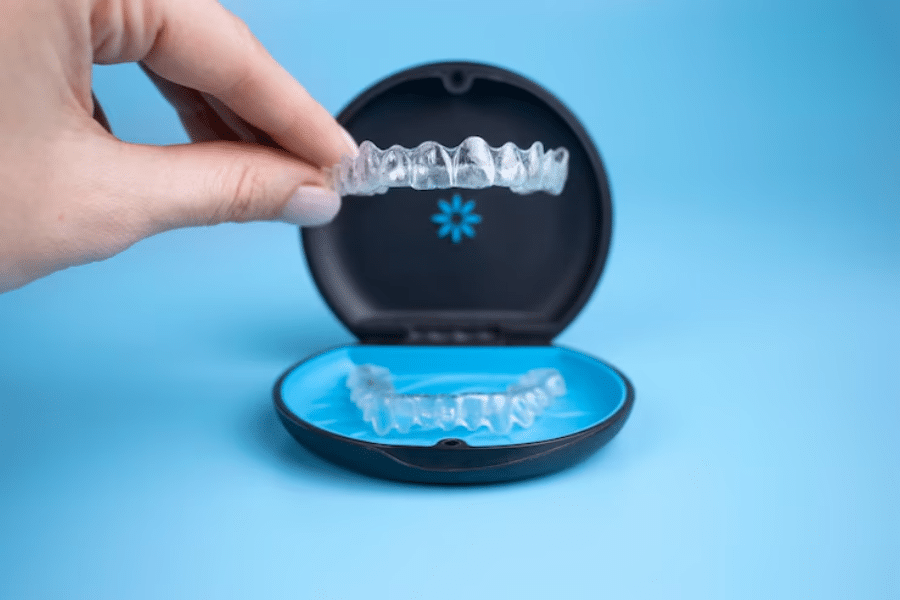
When you’re not wearing your aligners, always store them in their protective case. Avoid placing them in napkins or on random surfaces, as this can lead to loss or damage.
4. Avoid Eating and Drinking with Aligners In
It’s crucial to remove your aligners before eating or drinking (except for plain water). Food and beverages can stain or damage your aligners, reducing their effectiveness.
Staining Foods and Drinks to Avoid
- Coffee and Tea: These can lead to discoloration.
- Red Wine: A notorious stain-causer.
- Dark-Colored Berries: These can leave marks on your aligners.
Maintaining Oral Hygiene
Good oral hygiene is vital during your Invisalign treatment. Here are some key practices:
1. Brush and Floss Regularly
Brush your teeth at least twice a day and floss daily. This will help prevent cavities and gum disease, which can complicate your orthodontic treatment.
2. Use Non-Abrasive Dental Products
Opt for non-abrasive toothpaste and alcohol-free mouthwash. Some dental products can scratch your aligners, making them less effective and more visible.
3. Schedule Regular Dental Check-ups
Regular visits to your dentist are essential for monitoring your oral health. They can help identify any issues early, ensuring your treatment stays on track.
Tips for Special Occasions and Travel
Managing your Invisalign aligners during special events or while traveling requires some preparation. Here are some tips:
1. Prepare a Travel Kit
Create a small kit that includes:
- Your aligner case
- A soft toothbrush
- Non-abrasive toothpaste
- Cleaning crystals or a mild soap solution
Having these essentials on hand will help you maintain your routine even on the go.
2. Plan for Meals
If you’re attending an event, consider what food you’ll be eating. Choose items that won’t stain your aligners, and remember to remove them during meals.
3. Handling Social Situations
Let friends and family know about your Invisalign treatment. This can help them understand if you step away to remove your aligners during meals or events.
4. Be Mindful of Photos
If you’re concerned about how your aligners look in pictures, practice your smile. Over time, you’ll become more comfortable with your aligners.
Troubleshooting Common Issues
Even with the best care, you may encounter some issues during your Invisalign treatment. Here’s how to troubleshoot them:
1. Aligners Feel Tight
It’s normal for your aligners to feel tight when you switch to a new set. This tightness indicates they are doing their job. However, if the discomfort persists for more than a few days, consult your orthodontist.
2. Stains on Aligners
If your aligners develop stains, soak them in a mixture of equal parts vinegar and water for about 30 minutes. Afterward, brush them gently and rinse thoroughly.
3. Loss or Damage
If you lose or damage an aligner, contact your orthodontist immediately. They may provide a replacement and guide you on how to proceed with your treatment.
Importance of Consistency
To achieve the best results with Invisalign, consistency is key. Here’s how to stay on track:
1. Set Reminders
Use your smartphone or a calendar to set reminders for when to switch aligners or when to clean them. This will help you stay organized and committed to your treatment plan.
2. Keep Aligners Accessible
Always have your aligners within reach when you’re out. This way, you can easily put them back in after eating or drinking.
3. Educate Yourself
Understanding your treatment and its benefits can motivate you to stick with it. Research the advantages of wearing your aligners consistently and the risks of not doing so.
Maintaining a Positive Mindset
A positive attitude can greatly influence your experience with Invisalign. Here are some strategies to maintain motivation:
1. Set Milestones
Break down your treatment into smaller milestones. Celebrate each time you complete a set of aligners or reach a significant point in your treatment.
2. Visualize Your Results
Keep a picture of your desired smile handy. This can serve as motivation to adhere to your treatment plan and take care of your aligners.
3. Share Your Journey
Join online forums or social media groups for individuals undergoing similar treatments. Sharing experiences and tips can help you feel supported and motivated.
Taking care of your Invisalign aligners is essential for achieving the smile you desire. By following these guidelines – cleaning your aligners daily, maintaining excellent oral hygiene, and being consistent with wear – you can ensure that your treatment goes smoothly.
If you have questions or concerns during your Invisalign journey, don’t hesitate to reach out to your orthodontist. They are there to support you every step of the way.
With diligence and commitment, your dream smile is within reach. Embrace the process and enjoy the journey toward a straighter, healthier smile!
Frequently Asked Questions (FAQs)
1. How often should I clean my Invisalign aligners?
Ans: You should clean your aligners at least once a day. Additionally, rinse them whenever you remove them for meals.
2. Can I eat while wearing my aligners?
Ans: No, you should remove your aligners before eating or drinking anything other than water.
3. How long do I need to wear my aligners each day?
Ans: You should wear your aligners for 20 to 22 hours each day to ensure effective treatment.
4. What should I do if my aligners feel loose?
Ans: If your aligners feel loose or don’t fit correctly, contact your orthodontist for advice.
5. Can I use regular toothpaste to clean my aligners?
Ans: It’s best to avoid regular toothpaste, as it can be abrasive. Use a mild soap solution or a soft toothbrush without toothpaste.
Recent Posts

Periodontal Care Chandler | Is It Right for You?
Periodontal Care Chandler | Is It Right for You?
Are Dental Implants Right for You? | Chandler
How Dehydration Affects Your Gums and Breath