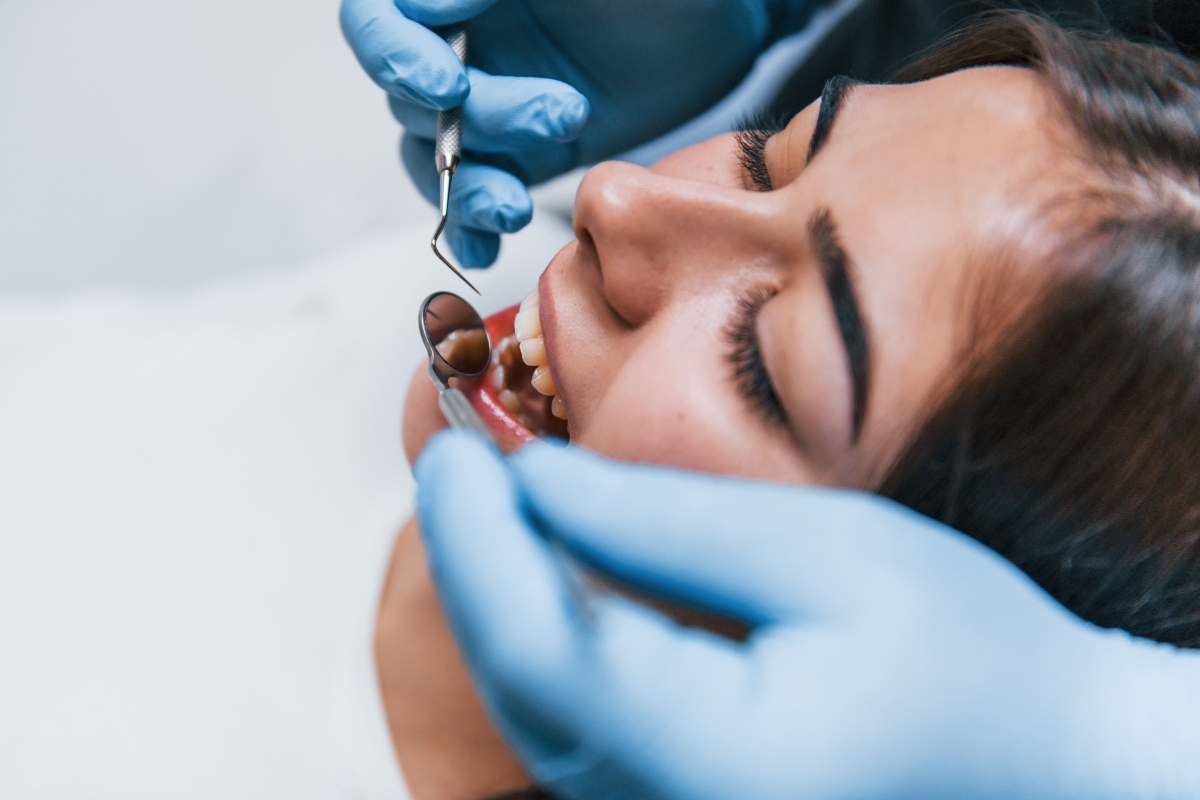
What Are The Effects Of Smoking After A Tooth Extraction?

Just had a tooth extracted? You’re probably feeling a little sore and maybe even relieved to have that pesky tooth out of the picture. But before you light up a celebratory cigarette, hold on! Smoking after a tooth extraction is a recipe for disaster. Think throbbing pain, delayed healing, and a complication called “dry socket” that sounds about as pleasant as it gets (not!). Today’s blog will make you look into the nasty effects smoking can have on your mouth after extraction and explore some strategies to help you stay smoke-free during this crucial recovery time.
Impact of Smoking On The Healing Process
Smoking can have detrimental effects on the body’s natural healing mechanisms post-tooth extraction. Two main aspects where smoking can impede recovery are its effects on circulation and tissue oxygenation.
Effects of Nicotine on Circulation
Nicotine, present in cigarettes, constricts blood vessels, reducing blood flow to the surgical site. This diminished circulation can slow down the delivery of vital nutrients and oxygen needed for proper healing. Tooth extraction in Chandler emphasizes the importance of abstaining from smoking to support optimal blood flow and promote faster recovery.
Influence of Smoking on Tissue Oxygenation
Decreased oxygen levels in tissues due to smoking can impair the body’s ability to rebuild and repair damaged areas, leading to delayed healing and an increased risk of complications.
Increased Risk of Complications
Smokers are more prone to experiencing complications after tooth extraction compared to non-smokers. Two common risks associated with smoking post-extraction are a higher incidence of infections and the formation of dry sockets.
Higher Incidence of Infections
Smoking weakens the body’s immune response, making smokers more susceptible to infections. This can lead to prolonged healing times and further complications if not addressed promptly.
Risk of Dry Socket Formation
Dry socket, a painful condition where the blood clot is dislodged from the extraction site, is more prevalent in smokers. The act of smoking can disrupt the clot formation process, increasing the likelihood of developing this complication. Tooth extraction in Chandler avoids smoking after the procedure to minimize the risk of dry sockets.
Delayed Healing and Recovery Time
Individuals who smoke post-tooth extraction often experience delayed healing and require a longer recovery period compared to non-smokers. Several factors contribute to this extended duration of healing.
Extended Duration of Healing
Smoking can impede the body’s ability to regenerate tissues and repair the extraction site efficiently, resulting in a prolonged healing process.
Factors Contributing to Prolonged Recovery
Factors such as reduced oxygen levels, compromised circulation, and impaired immune function due to smoking can collectively contribute to a delayed healing response. It’s essential to be aware of these potential challenges and take proactive steps to support your recovery if you choose to smoke after a tooth extraction.
Long-term Effects on Oral Health
Impact of Smoking on Gum Health
Smoking after a tooth extraction can seriously bum out your gums. Smoking impairs blood flow and restricts oxygen and nutrients from reaching your gums, which are crucial for healing. It’s like telling your gums, “No soup for you!” So, puffing away can delay the healing process and increase your risk of nasty gum diseases. The procedure of tooth extraction in Chandler strongly advises against smoking for smooth healing.
Association with Tooth Decay and Loss
You know that feeling of sinking your teeth into a juicy burger? Well, smoking after a tooth extraction can ruin that joy. Lighting up can lead to tooth decay and even tooth loss. The chemicals in cigarettes can weaken your pearly whites and make them more susceptible to decay. So, if you want to keep rocking a full set of teeth, stubbing out smoking is a smart move.
Strategies for Successful Recovery
Guidelines for Post-Extraction Care
After getting a tooth extracted, your mouth needs some TLC. Keep the area clean, but be gentle, as if you’re handling fine china. Avoid smoking to prevent those harmful chemicals from crashing the healing party. Stick to soft foods, and follow your dentist’s instructions like your dental fairy godmother.
Supporting Healing Through Lifestyle Changes
Think of this as a makeover for your mouth. Drink plenty of water, eat nutrient-rich foods, and get enough sleep. Ditching smoking is like giving your mouth a VIP pass to the fast lane of recovery. Your mouth will thank you with a speedy and smooth healing process.
Importance of Smoking Cessation
Benefits of Quitting Smoking
Say goodbye to the bad-breath dragon and hello to fresher breath. Quitting smoking not only boosts your overall health but also improves your oral health. Your gums will thank you by becoming pink and perky again instead of being in a perpetual sulky state. Plus, your teeth will be stronger and less prone to throwing in the towel.
Resources for Smoking Cessation Support
Don’t go cold turkey alone! There are plenty of resources to help you kick the habit. From support groups to apps that cheer you on, you’ve got a squad ready to help you say “adios” to smoking. Don’t be shy to seek help because quitting smoking is like a group dance – it’s more fun with others shaking off the smoke.
In a nutshell, smoking after a tooth extraction is like inviting trouble to a healing party you don’t want to crash. Embrace your recovery process by following guidelines post-tooth extraction in Chandler and making lifestyle changes that support healing. Quitting smoking isn’t just a gift to your mouth; it’s a kickstart to better overall health. So, snuff out the smoke, embrace the fresh air, and let your mouth heal like a rockstar. Your gums and teeth will thank you with a standing ovation!
In the end, the effects of smoking after a tooth extraction are clear – it can hinder the healing process and pose risks to oral health. By recognizing the impact of smoking on recovery, individuals can make informed choices to promote better outcomes. From adopting strategies for successful recovery to considering smoking cessation, taking proactive steps can lead to improved healing, reduced complications, and overall wellness. Making conscious decisions, post-extraction can pave the way for a healthier smile and a brighter oral future.
Recent Posts

Periodontal Care in Chandler, AZ | Exceptional Dentistry

Periodontal Care Chandler | Is It Right for You?

Periodontal Care Chandler | Is It Right for You?
Are Dental Implants Right for You? | Chandler